

Winter’s chill has settled in, bringing with it shorter days, colder temperatures, and often, a blanket of snow. While many of us might be tempted to huddle indoors with a warm drink, our canine companions still crave and need regular exercise. The crisp air and glistening landscapes can offer unique opportunities for fun and engaging activities, but they also present challenges. As a responsible dog owner, navigating winter exercise means balancing your dog’s need for physical and mental stimulation with their safety and comfort.
The key to successful winter dog exercise lies in preparation, awareness, and creativity. It’s not about avoiding the cold entirely, but rather embracing it safely and strategically. Let’s dive into how you can keep your furry friend happy, healthy, and exercised all season long.
The Importance of Winter Workouts
You might be thinking, “Can’t my dog just have a few extra naps in front of the fire?” While a cozy snooze is certainly a perk of winter, neglecting exercise can lead to a host of problems.
- Weight Management: Just like humans, dogs can pack on extra pounds in winter if their activity levels drop while their food intake remains the same. Obesity in dogs can lead to serious health issues like joint problems, diabetes, and heart disease.
- Behavioral Issues: A bored dog is often a destructive dog. Without an outlet for their energy, dogs can develop undesirable behaviors such as excessive barking, chewing furniture, or even aggression. Mental and physical stimulation are crucial for a well-adjusted pup.
- Joint Health: For older dogs or those prone to arthritis, regular, low-impact exercise can actually help maintain joint flexibility and reduce stiffness, especially when combined with appropriate warmth.
- Mental Stimulation: Exercise isn’t just about the body; it’s about the mind too. Exploring new sights, smells, and sensations in a winter wonderland can provide valuable mental enrichment.
- Bonding: Shared activities, even in the cold, strengthen the bond between you and your dog. It’s a chance to connect and enjoy each other’s company.
Essential Winter Safety Tips
Before you even step out the door, prioritize your dog’s safety. Winter weather can be deceptive and pose several risks.
- Limit Exposure Time: Not all dogs are built for extreme cold. Smaller breeds, dogs with short coats, puppies, and senior dogs are more susceptible to hypothermia and frostbite. Monitor your dog closely for signs of discomfort like shivering, whining, or lifting paws. When in doubt, err on the side of shorter outings.
- Paw Protection: Ice, snow, salt, and de-icers can wreak havoc on your dog’s paw pads.
- Booties: Dog booties offer excellent protection against chemicals, ice balls, and sharp surfaces. It might take some training for your dog to get used to them, but it’s worth the effort.
- Paw Balm: If booties aren’t an option, apply a protective paw balm before walks to create a barrier and soothe cracked pads.
- Wipe Paws: Always wipe your dog’s paws thoroughly after every outing to remove salt, chemicals, and ice.
- Watch for Ice: Slippery surfaces are a major hazard. Avoid walking on black ice or roads that haven’t been cleared. A sudden slip can cause sprains, strains, or even fractures.
- Visibility: Winter days are shorter, and visibility can be reduced by snow or fog. Use reflective gear for both yourself and your dog, and consider an LED collar or harness for evening walks.
- Antifreeze Alert: Antifreeze is highly toxic to dogs and often has a sweet taste that attracts them. Be extremely vigilant around driveways and roadsides where spills might occur.
- Don’t Shave in Winter: Let your dog keep their natural insulation. If grooming is necessary, opt for a longer cut.
- Hydration: Just because it’s cold doesn’t mean your dog doesn’t need water. If you’re out for an extended period, bring a portable water bowl and fresh water.
- Know Your Dog’s Limits: Pay attention to your dog’s breed, age, and health condition. A Siberian Husky will have a very different tolerance for cold than a Chihuahua. Consult your vet if you have concerns about your dog exercising in winter.
Creative Winter Exercise Ideas
Now that we’ve covered safety, let’s explore some fun ways to keep your dog active!
Outdoor Adventures (Weather Permitting)
- Brisk Walks and Hikes: Embrace the beauty of winter! Dress warmly and enjoy the crisp air. Choose routes that are well-plowed or less icy. If you have access to trails, a winter hike can be exhilarating.
- Snowshoeing/Cross-Country Skiing with Your Dog: If you’re into these winter sports, many dogs love to join! Ensure your dog is well-trained, on a leash if required, and wearing appropriate gear.
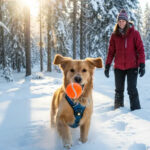
- Fetch in the Snow: A classic for a reason! Snow adds an extra challenge and sensory experience. Use brightly colored toys so they don’t get lost in the white landscape. Be mindful of deep snow, which can be tiring and difficult for some dogs.
- Snow Digging and Tunnels: If your dog loves to dig, let them have a blast in a safe, designated area of your yard. You can even encourage them by hiding treats in the snow.
- Building a Snow Maze: For a truly interactive experience, build a simple snow maze in your backyard. Your dog will love navigating the paths and finding treats along the way.
- “Find It” in the Snow: Hide high-value treats in various spots in your yard and let your dog use their nose to track them down. This is excellent mental stimulation.
Indoor Alternatives (When the Weather is Too Harsh)
Sometimes, the weather is just too severe for outdoor play. Don’t despair! There are plenty of ways to burn energy indoors.
- Stair Sprints: If you have stairs, a few supervised trips up and down can provide a quick burst of cardio. Be cautious with older dogs or those with joint issues.
- Indoor Fetch or Tug-of-War: Clear some space in a room and play a gentle game of fetch with a soft toy. Tug-of-war is also a great energy burner and a fantastic way to bond.
- Obedience Training and Tricks: Mental exercise is just as important as physical. Spend 15-20 minutes practicing commands or teaching new tricks. This tires out their brain and builds confidence.
- Puzzle Toys and Treat Dispensers: These toys require your dog to use problem-solving skills to get a reward. They can keep a dog engaged and mentally stimulated for long periods.
- “Hide and Seek”: Have your dog “stay” in one room, then go hide in another. Call their name and reward them with praise and a treat when they find you. This is a fun game for the whole family.
- Indoor Agility Course: Get creative with household items! Use pillows as jumps, blankets draped over chairs as tunnels, and cones or toys to weave around. Supervise closely to prevent accidents.
- Enroll in Classes: Winter is a great time to enroll in indoor dog classes like obedience, agility, flyball, or even doggy yoga. These provide structured exercise and socialization.
- Doggy Daycare: If your dog enjoys the company of other canines, a few days a week at a reputable doggy daycare can provide ample exercise and social interaction when you can’t get out.
Listen to Your Dog
Ultimately, you know your dog best. Pay close attention to their behavior, energy levels, and any signs of discomfort. Some dogs absolutely adore the snow and cold, while others prefer to be curled up by the fire. Adjust your exercise routine accordingly.
Winter doesn’t have to mean an end to your dog’s active lifestyle. With a little planning, some safety precautions, and a creative spirit, you can ensure your furry friend stays happy, healthy, and entertained until spring arrives. So, bundle up, grab that leash, and go make some snowy memories with your best friend!